
Cyberattacks on Water Treatment Plants: When Geopolitics Creeps Into Our Pipes
Table of Contents
Cyberattacks on water treatment plants have become a top-tier threat in today’s highly sensitive geopolitical context
In early April 2026, after the war with Iran began, several U.S. federal agencies, including CISA, the NSA, and the FBI, warned that advanced persistent threat (APT) groups linked to Iran were launching cyberattacks against water treatment and power plants across the country.
What is the attackers’ objective? To cause disruptions to programmable logic controllers (PLCs), a critical technology that automates industrial processes and controls industrial machinery in real time at thousands of factories and facilities providing critical services, such as water treatment plants.
In the middle of the summer of 2026, there were about a hundred attempted attacks against water treatment plants in multiple U.S. states, with PLCs as the primary target. Given the seriousness of the situation, CISA warned that protecting the operational technology of drinking water treatment and wastewater management plants was a priority to prevent incidents that could affect the water supply.
This incident is not an isolated case. In recent years, there have been numerous cyberattacks against water treatment plants. Most of them were launched by APT groups from countries such as Iran, Russia, and China.
In fact, the U.S. Environmental Protection Agency (EPA) had already warned in 2024 that various APT groups were launching cyberattacks against water treatment plants of all sizes, including small-scale systems.
Furthermore, the EPA noted that its inspectors had found that 70% of the systems did not meet regulatory requirements and exhibited alarming vulnerabilities, such as the use of default passwords in water treatment systems, poor access permission management, or the lack of security audits.
Next, we will review the key aspects of cyberattacks against water treatment plants, explain why they pose a risk to public health and safety, and highlight which cybersecurity services are essential for preventing them and coordinating effective responses.
Cyberattacks Against Water Treatment Plants: An Act of Destabilisation
In recent years, Poland has detected cyberattacks against drinking water and wastewater treatment plants. In fact, Polish authorities acknowledged that attackers linked to Russia attempted to disable the water supply system of one of the country’s major cities. The hostile actors managed to infiltrate the system but were unable to cause any actual damage.
Denmark also accused a threat group linked to the Russian government, Z-Pentest, of launching an attack against a water treatment plant. In this case, the hostile actors were able to alter the pressure of the pumps and rupture several pipes. The Danish government noted that this incident is clear evidence of hybrid warfare.
These cases in Europe are just a sample of how state-sponsored threat groups are launching cyberattacks against water treatment plants as a way to destabilise rival states.
Why? The water supply is essential for daily life and the functioning of cities. Damaging or manipulating water systems or undermining their operational capacity—as happened in a town in Texas in 2024—can cause serious harm to thousands of citizens and businesses.
In a geopolitical context as dangerous and volatile as the current one, there is every reason to believe that cyberattacks against water treatment plants will only increase, making it essential to strengthen their cybersecurity posture.
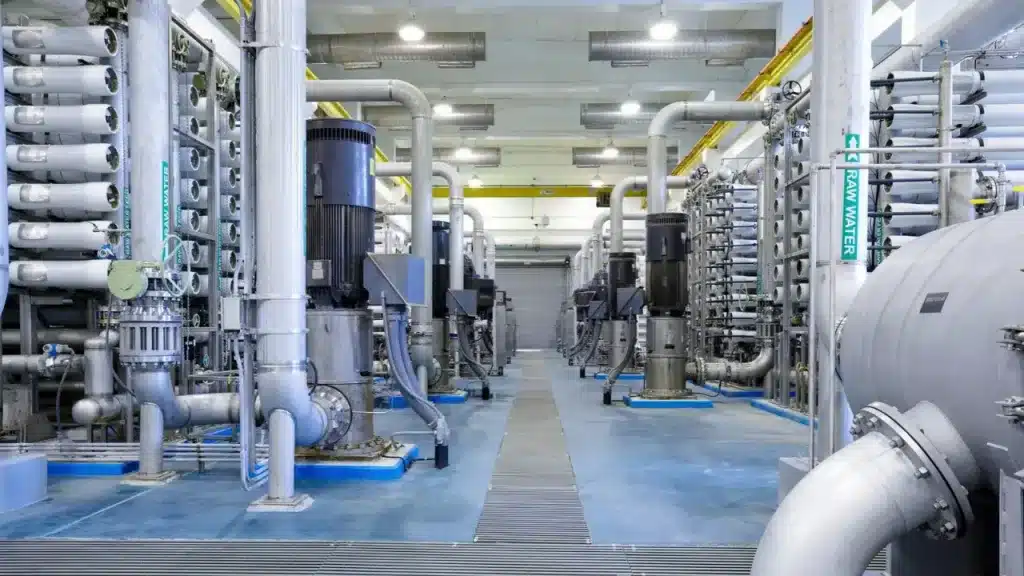
The security of the operational technology in water treatment systems is critical
Where are malicious actors focusing their efforts? On the operational technology that automates and controls the processes carried out at these facilities.
For example, returning to the case mentioned at the beginning of this article, hostile actors linked to Iran are seeking to exploit vulnerabilities in PLCs developed by a U.S. company.
Similarly, in early April 2026, it was reported that a water treatment plant in Minot, a small city in North Dakota, had suffered a cyberattack that affected its SCADA system—software essential for the control and automation of industrial processes that is now indispensable in these types of facilities.
Given the critical role that operational technology plays in the management of critical infrastructure such as water treatment systems, hostile actors have made it a target. For this very reason, it is essential to strengthen its security and increase its cyber resilience against attacks.
Detecting and mitigating vulnerabilities is essential
Exploiting vulnerabilities in software or hardware is a central element of many cyberattacks. Critical facilities are no exception.
For example, one month before CISA issued a warning about cyberattacks against water treatment plants, a vulnerability—first detected in 2021 in the industrial control systems of the same U.S. company mentioned earlier—had been added to its catalogue of actively exploited vulnerabilities.
This case demonstrates that vulnerability management is critical to preventing cyberattacks against water treatment plants.
Thus, this type of cybersecurity service makes it possible to detect vulnerabilities in the technological infrastructure and prioritise their remediation based on:
- The impact of their potential exploitation.
- The risk that they will be actively exploited in the short term.
Malware specifically designed to carry out cyberattacks against water treatment plants already exists
In 2026, the existence of malware designed specifically to attack the operational technology of water treatment systems was also revealed.
Although this malicious software is not yet operational, once it is, it could be used to alter the hydraulic pressure at the targeted plants and increase chlorine levels in the water to the point where they become hazardous to human health.
The use of malware to disrupt the operation of water systems therefore poses a dangerous threat that can affect the operational reliability of the public water supply and even render the water unfit for human consumption.
Beyond this new threat, the fact is that the use of malicious software to attack water treatment plants is nothing new.
For example, in 2023, an Italian public utility responsible for providing drinking water to half a million people suffered technical disruptions following a ransomware attack.
Attackers have also used ransomware in other significant incidents in recent years, such as the one suffered by the Minot water treatment plant in North Dakota—which we have already mentioned—and which affected its SCADA system, forcing plant operators to perform processes manually for 16 hours.
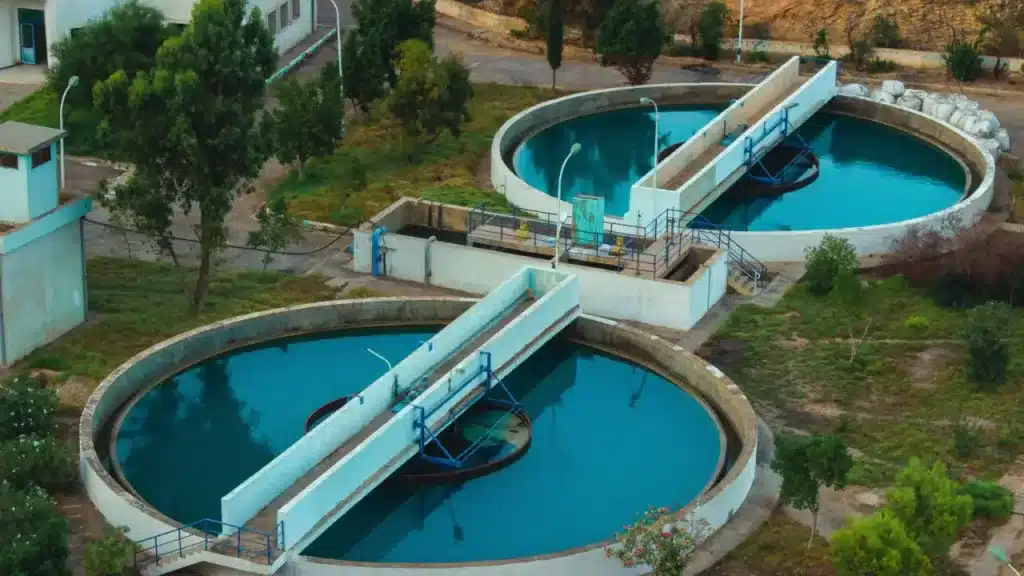
Outdated systems, inadequate security measures, and untrained staff: Factors that facilitate cyberattacks against water treatment plants
In the United States alone, there are 50,000 water treatment plants. Some of them are operated by small municipalities with limited financial, technical, and human resources. A similar situation exists in Spain and in other countries.
Furthermore, we must bear in mind that the professionals in charge of these critical infrastructures do not, from the outset, possess knowledge of cybersecurity.
To address this situation, several projects and programs have been launched in recent years aimed at training the people who manage water treatment systems.
For example, the leaders of a pilot program by Microsoft, in which 200 small water treatment plants participated, concluded that it is essential to enhance the capabilities of the professionals working at these plants and encourage their training in cybersecurity.
Added to this is the fact that some water treatment plants use outdated software and hardware or have failed to install security updates released by developers.
Thus, in early 2026, attackers managed to gain access to the computer system of a plant in Florida because it was still running Windows 7, even though Microsoft had stopped providing security updates for that operating system a year earlier. The attackers were able to alter the sodium hydroxide levels in the water, although the incident was detected before the contaminated water reached the supply system.
The Dangerous Consequences of Cyberattacks on Water Treatment Plants
The case in Florida demonstrates that cyberattacks against water treatment plants pose a major threat to public administrations and to the public and private companies that manage this essential service for society as a whole and the productive sector.
As with other cyberattacks against critical infrastructure such as power plants, the consequences of incidents at water treatment plants can be extremely serious:
- Water supply outages because the system becomes inoperable. This is particularly serious if the outage is prolonged, especially for businesses where a steady water supply is critical.
- Alteration of drinking water parameters, to the point where its consumption by people and animals is not recommended or may even pose a health hazard.
Cybersecurity services to prevent and respond to cyberattacks against water treatment plants
How can government agencies and companies combat cyberattacks against water treatment plants? Cybersecurity services such as the following are essential:
- Security audits to detect vulnerabilities in operational technology or other technological infrastructure that could enable successful attacks.
- Vulnerability management to prioritise the mitigation of weaknesses detected in the software and hardware used in water systems and other critical infrastructure.
- Penetration testing services to identify how malicious actors could cause security incidents and determine how to optimise security mechanisms to prevent them.
- MDR Services. These types of services enable proactive detection, containment, and elimination of threats. Continuous monitoring is performed, and threats are identified by working under the assumption of a compromise, so that responses can be mounted as quickly as possible and the impact of incidents on operational technology can be minimised.
In short, cyberattacks against water treatment plants are not a hypothetical threat. Over the past two years, such attacks have proliferated, generally carried out by advanced persistent threat groups sponsored by states such as Russia or Iran.
Both the water systems of large cities and the facilities in small towns and villages are in the crosshairs of hostile actors. Therefore, it is essential that the public and private companies managing this service be able to:
- Improve the resilience of water treatment systems.
- Effectively manage vulnerabilities in operational technology.
- Train professionals working at these facilities in cybersecurity.
- Continuously monitor threats, implement a proactive approach, and respond to any attack within minutes to prevent hostile actors from disrupting service, damaging infrastructure, or even contaminating the water supply, thereby threatening the health of thousands of people.